

How to Plan Your Kanha Safari After the Monsoon (2026 Complete Guide)
Envision cruising through an overgrown Sal forest with leaves glistening for weeks after the monsoons have been around for weeks. The smell of earth and jungle fills the air, birds are on all fours and fresh pugmarks suggest that a tiger may have just walked through the woods a moment ago.
This is Kanha National Park in the post-monsoon season, one of the most beautiful seasons to visit the Indian wilderness.
The park is closed during the rainy season as it is the breeding period. It is also closed to keep the forest trails open for its marvels, but the reopening is the start of a superb safari season. Forests re-green, meadows are in full bloom, waterholes fill and animals slowly re-appear in open spaces.
Planning intelligently can make your safari easier and more rewarding, whether you are a first timer, a wildlife photographer or a family heading out on the family nature holiday.
This is all you should know before embarking on your Kanha safari after monsoon, from selecting the best safari zone, how to book permits, how to pack smartly and the best jungle lodges to stay at.
Why Visit Kanha Safari After the Monsoon?
It is a misconception for many travelers that winter is the time when Kanha is best visited. But veteran forest lovers know that there are all new vistas of the woods in the weeks that follow the monsoon.
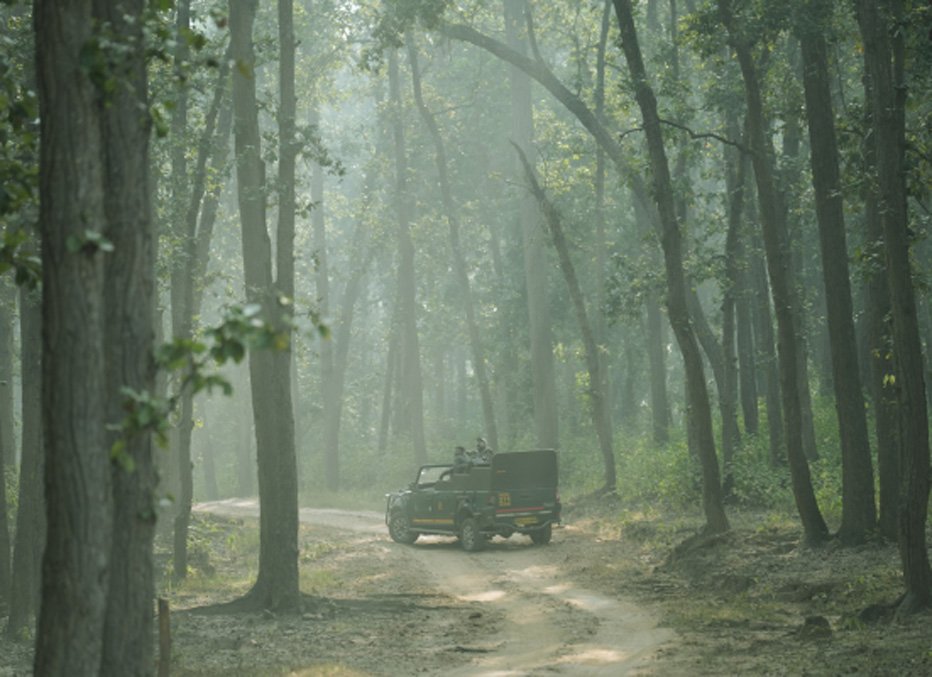
A jeep safari through the lush forests of Kanha National Park after the monsoon, showcasing the breathtaking beauty, fresh greenery, and serene landscapes that make this season one of the best times for a wildlife adventure.
The landscape is freshed up, streams flow freely, the abundance of vegetation results in breath taking scenery which it is hard to see in the drier months.
Some of the greatest benefits are:
- New green meadows and forests
- Pleasant daytime temperatures
- Crystal-clear post-rain skies
- A lovely scenic area to take photos.
- Good opportunities for watching birds.
- Safaris are cleaner and less dusty in the roads to be walked on.
- Divided into early reopening segments, fewer crowds in the early reopening period.
You will see Kanha in its most colourful aspect, this is a heaven for nature lovers instead of dry grasslands.
Curious about how Kanha transforms during the rainy season?
Discover the lush landscapes, thriving wildlife, and breathtaking beauty of the forest in our guide to
What to Expect in Kanha National Park during Monsoon?
When Does Kanha National Park Reopen?
The annual monsoon closure is over generally around October when Kanha National Park reopens.
The exact date of re-opening is announced annually by the Forest Department. Safaris for the weekends, public holidays and festive seasons sell-out very quickly once the bookings are opened.
To Know more about Singinawa Jungle Lodge
Visit us: https://singinawajunglelodge.com
Call: +91 9266958349
If you’re thinking of traveling in October or November, it’s wise to book your safari in and your lodging ahead of time.
Knowing the reopening schedule is essential when planning your Kanha Safari After the Monsoon, especially if you’re visiting during October or November.
Why Early Planning Makes All the Difference?
Planning does only means getting the permit it’s about creating a stress free wildlife experience.
An organized travel experience can help you to:
- Chose a preferred safari zone
- Avoids the issues related to last minutes availability.
- Plan multiple safaris to acquire more wildlife viewing opportunities
For most savvy visitors, a minimum of two or three nights is recommended to get enough time to visit various zones and appreciate the forest in its own timelines.
Understanding Kanha’s Safari Zones
Kanha National Park can be visited through various zones, each offering a unique safari experience and scenery.
Mukki Zone
Mukki is one of the most popular zones because of its great diversity of life and scenic forest landscape.
Mukki is popular with visitors for:
- Dense forests
- Excellent wildlife habitat
- Beautiful landscapes
- Great opportunities for wildlife photography
Its serene environment also makes it a preferred place for high end jungle vacation.
Wondering which gate to choose? Learn why Mukki Gate is the preferred safari entrance for wildlife enthusiasts and photographers.
Kanha Zone
This central zone is famous for the vast meadows and growing population of the rare Hard Ground Barasingha, an animal that has become the symbol of Kanha National Park.
Open grasslands make it easier to observe herbivorous animals grazing peacefully while predators occasionally patrol nearby.
Kisli Zone
Kisli is a great combination of forest walking paths, open spaces and the variety of its wildlife.
Suitable for those who like to experience the forests’ various habitats. You can see deer, gaur, birds and other animals.
What wildlife can you expect after monsoon in Kanha?
The best part about a safari in Kanha is that each one is unique.
The presence of tigers is always a plus point but the Kanha ecosystem has more to offer than just the tiger.
You may encounter:
- Bengal Tiger
- Indian Leopard
- Hard Ground Barasingha
- Indian Gaur
- Wild Dogs (Dhole)
- Sloth Bear
- Sambar Deer
- Chital
- Barking Deer
- Langur
- Jackal
- More than 300 species of birds
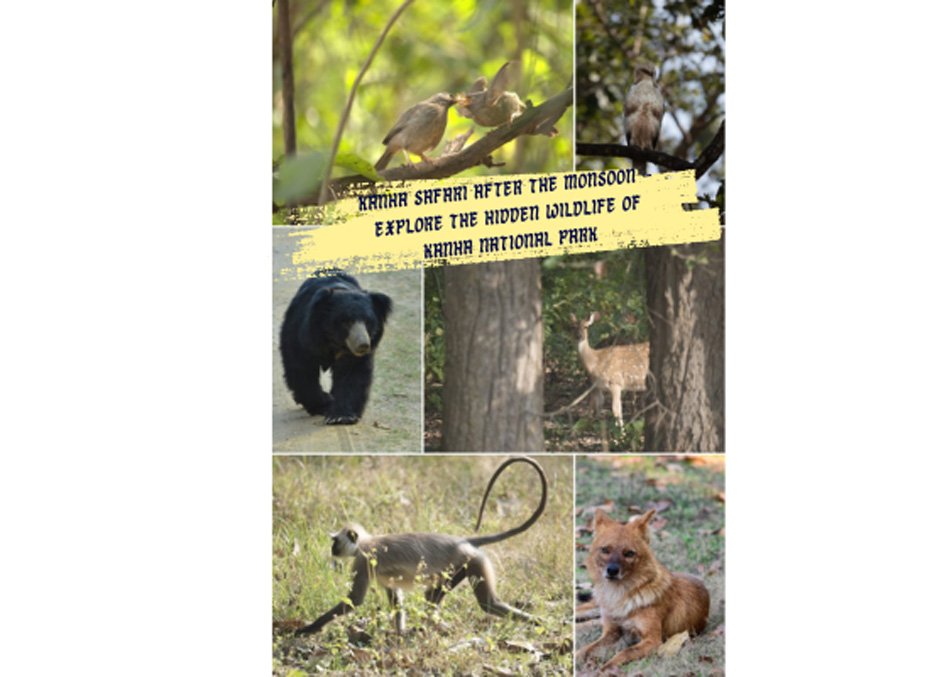
Wildlife clicks by Team Singinawa
A Kanha Safari After the Monsoon is about more than tiger sightings. Spot diverse birdlife, sloth bears, langurs, deer, and countless other species as the forest flourishes in its post-monsoon glory.
Remember, wildlife sightings can never be guaranteed. The real joy of Kanha is watching the forest, a complete ecosystem.
Expert Insight from Singinawa’s Resident Naturalists
” Although tiger sightings are always great, many guests come to Kanha hoping to see a tiger as soon as they arrive, but the reality is that a lot of things in the forest happen before a tiger appears and those are all signs of interesting stories.
Packing Essentials for a Comfortable Safari
The right packing will make your safari a lot more enjoyable.
Recommended items include:
- Neutral-coloured clothing
- Comfortable walking shoes
- Light jacket for early mornings
- Binoculars
- Camera with telephoto lens
- Hat or cap
- Sunscreen
- Reusable water bottle
- Personal medications
Try to avoid unnecessary plastics that can upset wildlife.
Landscapes kanha safari after the monsson, full of greenery are ideal for photography
Rather than concentrating on just tigers, capture:
- Mist-covered meadows
- Ancient Sal forests
- Colourful birds
- Butterflies
- Barasingha grazing in grasslands
- Forest reflections after rainfall
- Early morning sunlight coming through trees
Best wildlife photos are clicked when the photographer slows down and watch nature, patiently.
Why Staying Near Mukki Gate Enhances Your Safari
The accommodation is an important aspect of a wildlife holiday or safari.
Staying near the Mukki Gate makes it easy and comfortable to go to the safari departure points, especially early in the morning.
In addition to convenience, a well-thought-out and well planned jungle lodge stay can enhance your safari experience.
Afternoons can be spent in the company of birdsong, the taste of local cuisine and the comfort of forest surroundings or simply reflecting on the day’s interactions with wildlife.
Experience More Than Just Safari in Kanha
Apart from tiger sightings, you can see a lot in Kanha
Many travellers enjoy:
- Bird watching
- Nature walks
- Stargazing
- Forest photography
- Village visits
- Local cultural experiences
- Wellness therapies
- Quiet moments surrounded by nature
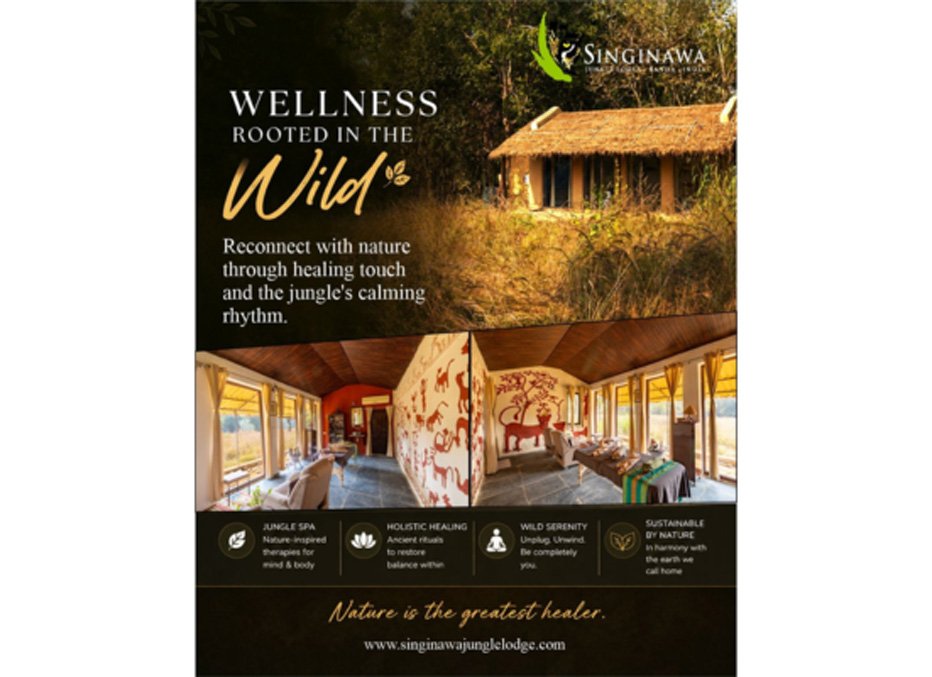
After an exciting day exploring Kanha National Park, unwind with nature-inspired wellness therapies at Singinawa Jungle Lodge, where the tranquility of the forest rejuvenates both body and mind.
These luxury wildlife experiences in kanha often become memorable parts of the journey.
Advice from the one more naturalists from our staff.
“Those who stay for two or three nights come away with a greater understanding of Kanha; seeing various safari zones in multiple drives brings about different landscapes, the behaviour of the wild animals and can allow guests to see some of the quieter moments that a day visitor may not see.”
Responsible Wildlife Tourism
All visitors are responsible for saving Kanha’s sensitive ecology.
There are simple things that can make a huge difference:
- Keep voice down on safaris.
- Never feed wildlife.
- Do not litter.
- Stay in the safety of the safari vehicle.
- Follow your guide’s directions.
- Avoid flash photography.
- Follow animal codes of conduct and respect animal habitats.
Responsible tourism is also a means of protecting Kanha for future generations.
Why Choose Singinawa Jungle Lodge?
An unforgettable safari should definitely be accompanied by an unforgettable stay.
JUNGLE RESORT IN KANHA near Mukki Gate, and provides luxury, comfort and conservation in a tranquil jungle environment.

Make your Kanha Safari After the Monsoon even more memorable with a stay at Singinawa Jungle Lodge near Mukki Gate. Enjoy luxury accommodations, personalized hospitality, and easy access to Kanha National Park for a truly immersive wildlife experience
Guests can enjoy:
- Spacious luxury cottages
- Personalized hospitality
- Expert resident naturalists
- Authentic regional cuisine
- Convenient departures for safaris
- Nature walks and bird watching experiences
- A tranquil environment to unwind after each safari
Saying close to the forest will always let you experience beauty of the forest and immerse yourself in the rhythm of kanha.
Final Thoughts
Planning your Kanha safari after the monsoon is more than just booking a jeep car ride. It’s about ensuring that you get enough time to enjoy one of the most amazing forests in India, at its best and at its full bloom.
Book an early safari, book a few nights stay, explore the different areas to find the tiger, enjoy all the moments the forest has to offer, not only the search for a tiger.
In Kanha each sunrise, each birdsong and every quiet forest trail tells a tale worth recalling.
Ready to explore Kanha safari after the monsoon?
Make your wildlife adventure truly unforgettable with a stay at JUNGLE RESORT IN KANHA , a luxury jungle retreat near Mukki Gate. From expertly guided safaris and elegant accommodations to authentic local experiences and warm hospitality, every moment is designed to bring you closer to the wilderness.
Book your stay today and experience Kanha at its greenest and most spectacular.
Frequently Asked Questions
Q1. What is the best time of the year to visit Kanha National Park?
Ans. October is the one of the best time to visit Kanha for observing green lush, birds and butterflies. This month brings plenty of greenery, fine weather and the start of the Post Monsoon Safari Season.
Q2. What is the number of safaris should a person book?
Ans. To see a large variety of animals, it is better to book two or three safari drives over two or three days, to explore and visit a large variety of wildlife.
Q3. Which is best safari zone in Kanha?
Ans. There are notable differences in the geography, fauna and flora at Mukki, Kanha and Kisli. This depends on your interests and availability for permits.
Q4. What type of clothing is suitable to wear on a Kanha safari?
Ans. Wear neutral colours, comfortable clothing and wear sturdy footwear. Carry a light jacket for early morning safaris.
Q5. What are benefits of staying near Mukki Gate?
Ans. Getting closer to Mukki Gate is beneficial for departure to the safari trips. It allows to spend more time enjoying the forest than travelling to and from the gate.