
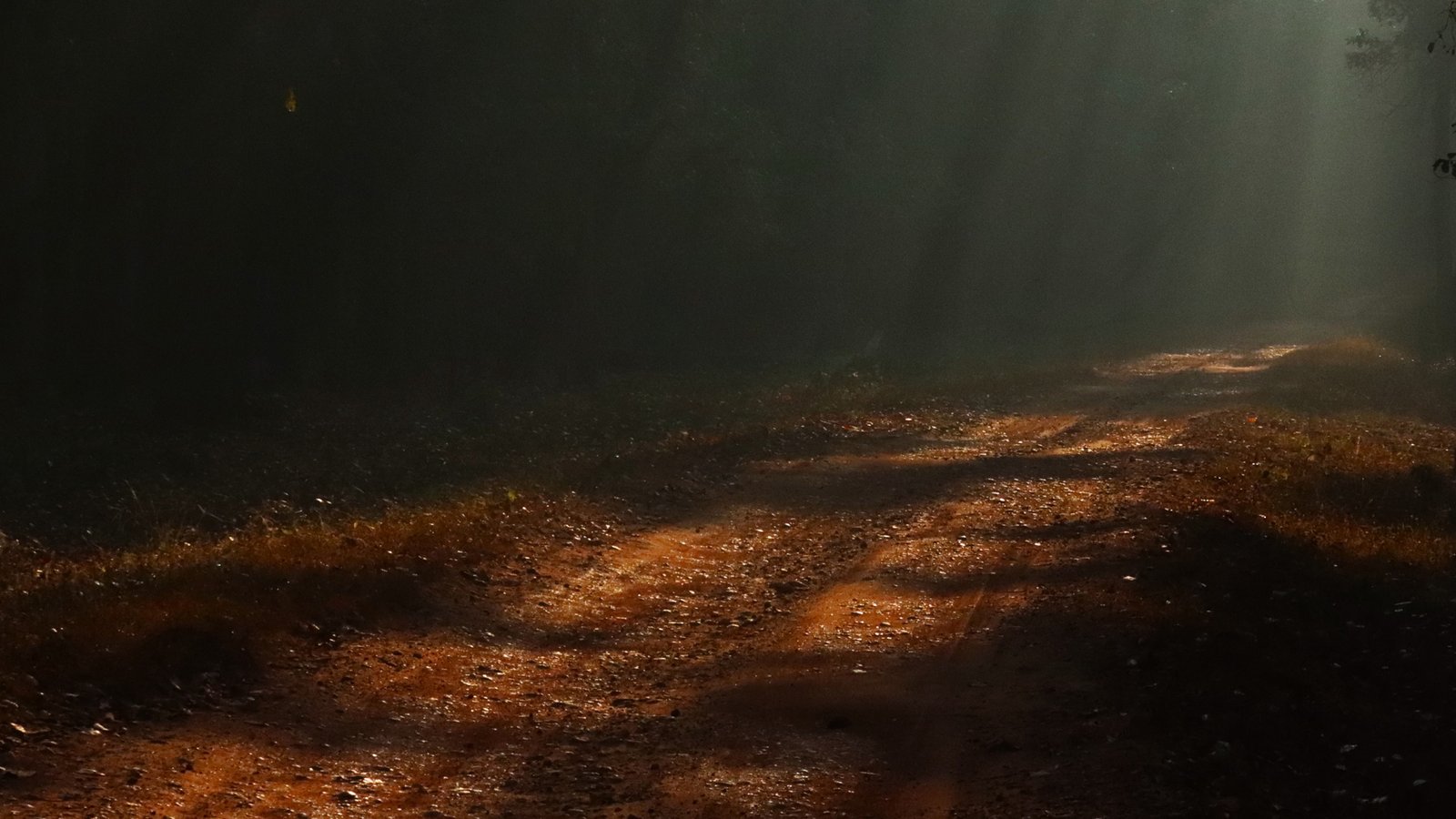

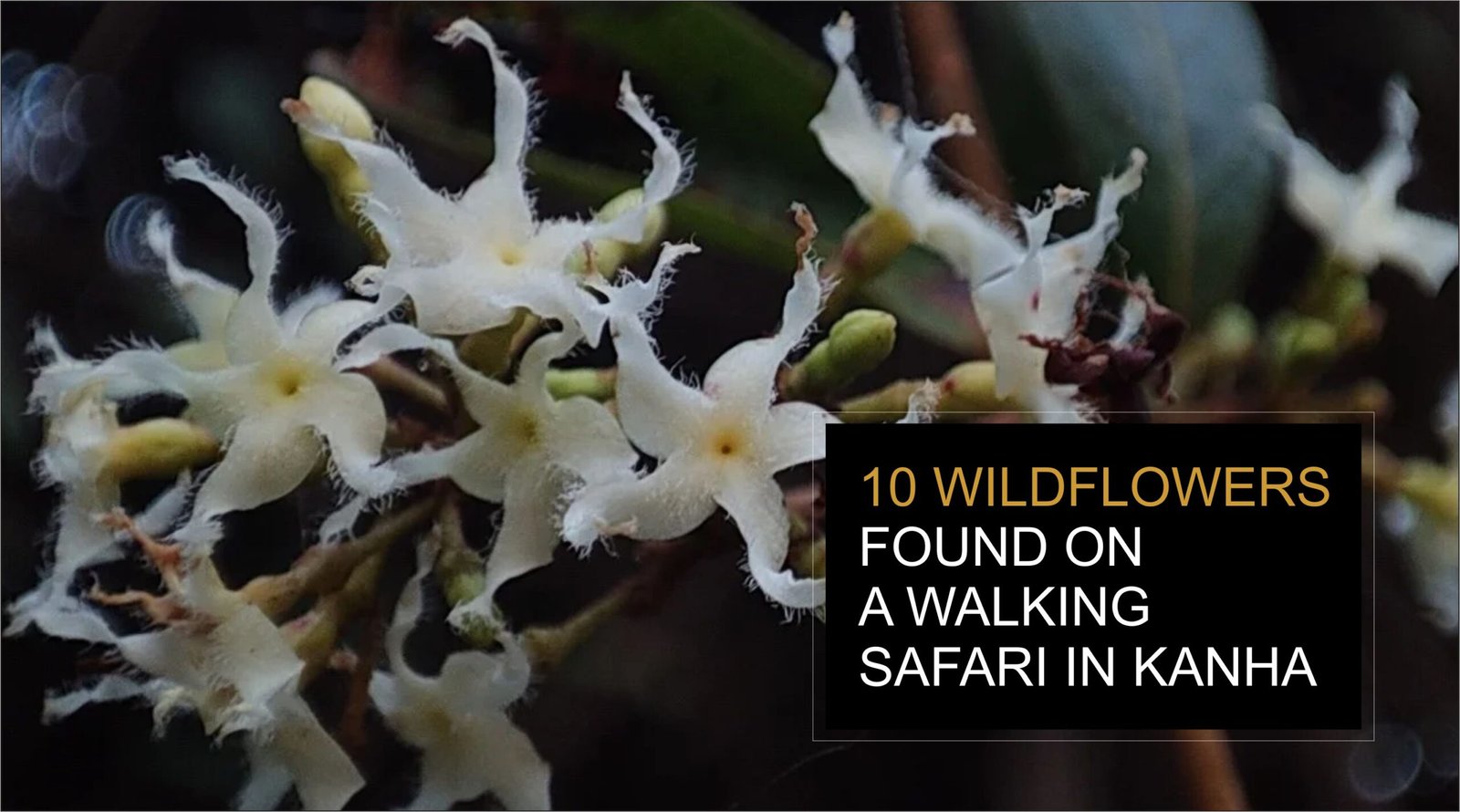
Kanha Tiger Reserve is spread across approx. 2000 sq. km, consisting of a mixed moist deciduous forest with Sal patches, grasslands, and bushes, situated in the Maikal hills as an extension of the mighty Satpura range.
At an altitude of 475mtrs. with the Tannur river flowing on the western boundary, Singinawa Jungle Lodge is home to a diverse species of wildflowers. Post monsoon when the forest is still picturesquely dense and lush green, our naturalists team decided to set out and explore the autumn season blossoms. In this landscape across Mandla & Balaghat we have Black Alluvial & Red-Yellow Soil. After multiple walks through this terrain, we encountered an array of wildflowers, after which we had intriguing sit downs with these plants to get a deeper understanding of their importance in this landscape.
10 species of wildflowers and their local importance and medicinal uses in this landscape.
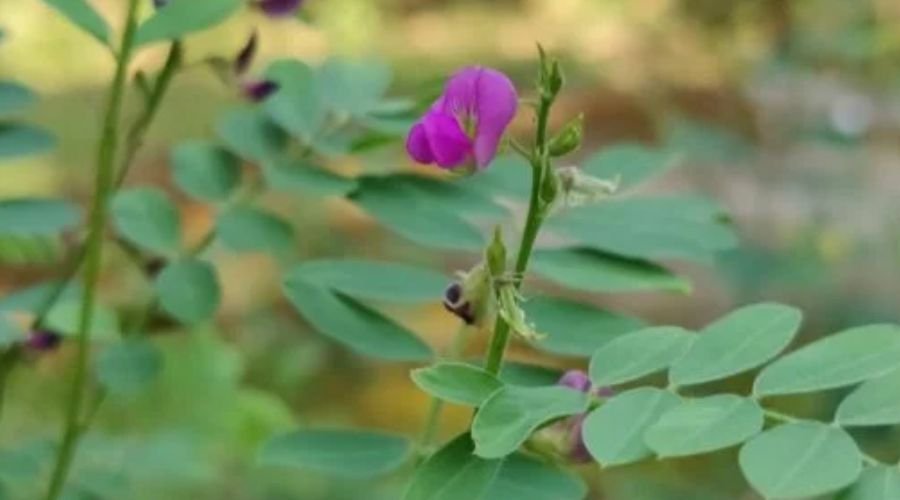
- Common Name: Sal Leaved Desmodium
- Family: Fabaceae
- Botanical Name: Desmodium Gangeticum
- Local Name: Vankurthi
The local tribes used these flowers to help people who were mentally disturbed. The tribesmen would burn a clump of these flowers in a room with the patient, it evidently gave them ease and would calm them down drastically. This practice has helped a lot of locals in this area.
These plants are found in open land next to water bodies that have low grass.
[Photo credit: Ratik]
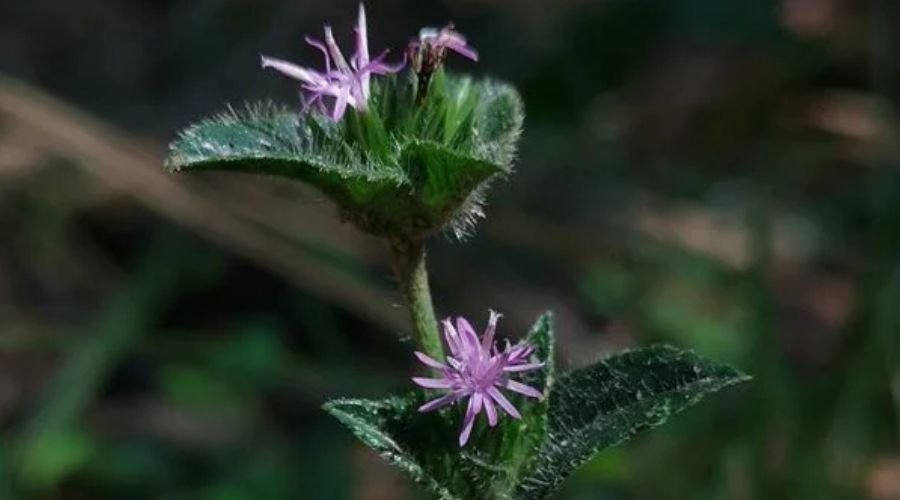
- Common Name: Elephant Foot
- Family: Asteraceae
- Botanical Name: Elephantopus Scaber
- Local Name: Vantambaku
When injured cattle get maggots in their wounds, the tribesmen would feed them the roots of this plant. The method was to give them roots of 3 plants at one time and twice a day. The roots would be unwashed and would have to be wrapped in grass or other leaves to trick the animal. The effect of the roots starts within the first hour and after the 3 dose the final maggots which were deep in the wound are also out.
The tribes also used the roots of this plant to help fight dental problems. These plants are only found low on the ground under trees.
[Photo credit: Deepankar Mukherji]
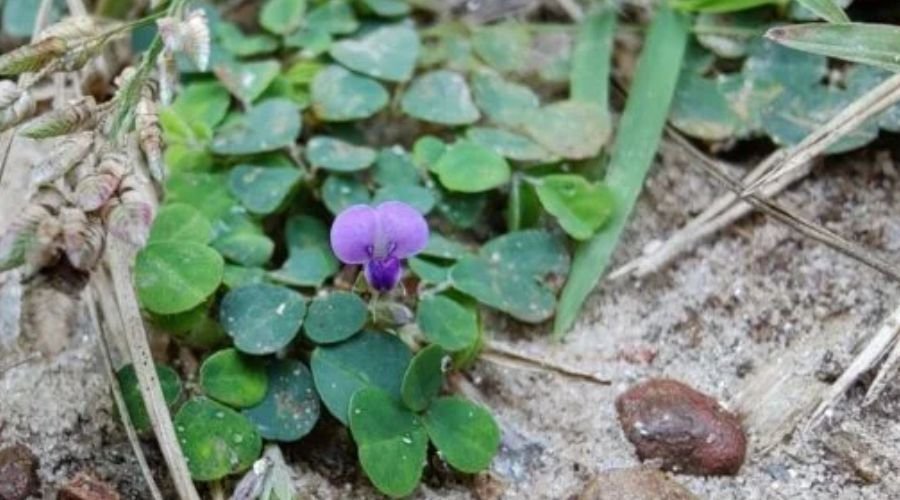
- Common Name: Creeping Tick Trefoil
- Family: Fabaceae
- Botanical Name: Desmodium Triflorum
- Local Name: Janglee Khira
These plants fruit post-monsoon, and the local tribes eat the fruits when they are on the field for their crops. These fruits contain high water content which helps them during hot sunny days.
These plants are found in open land near paddy fields.
[Photo credit: Ratik]
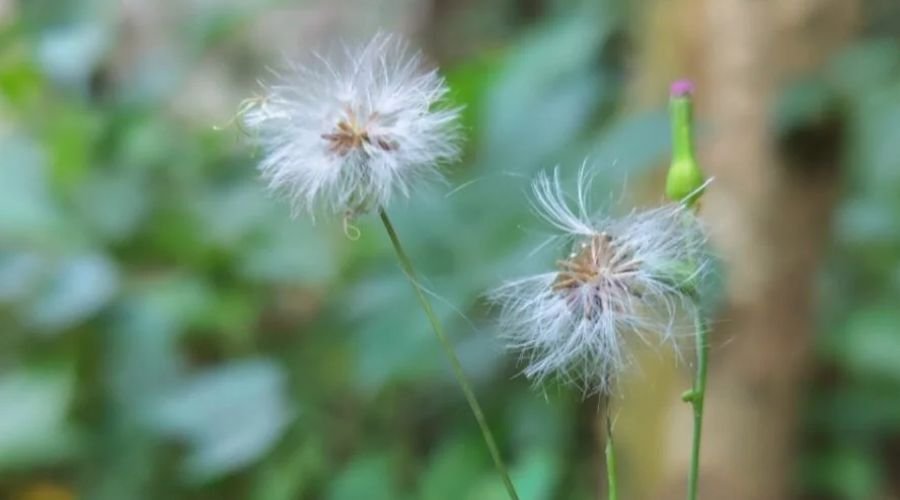
- Common Name: Purple Sow Tristle
- Family: Asteraceae
- Botanical Name: Emilia Sonchifolia
- Local Name: Unknown
The milky resin that comes out of the stem is used by locals to paint temporary tattoos.
[Photo credit: Ratik]
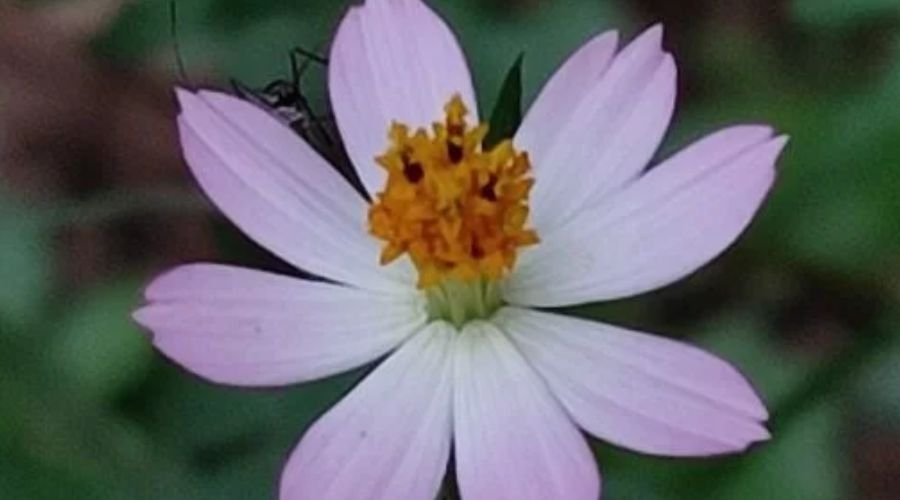
- Common Name: Wild Cosmos
- Family: Asteraceae
- Botanical Name: Cosmos Caudatus
- Local Name: Unknown
These flowers are used during a local festival called “Gowardhan Pooja’, in this festival an arena is made out of cow dung, and the young calves are brought to play in it. The boundary of this arena is decorated with these flowers.
[Photo credit: Rakesh Solanki]
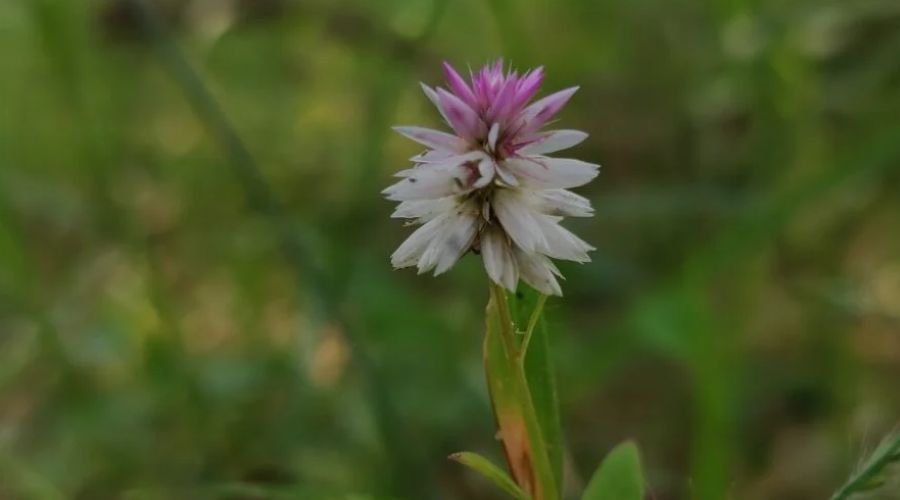
- Common Name: Silver Spiked Cockscomb
- Family: Amaranthaceae
- Botanical Name: Celosia Argentea
- Local Name: Siliyari
The seeds of this plant is used to help cure urine infections. 3-4 seeds are eaten raw with sugar twice a day for 3-4 days.
[Photo credit: Ratik]
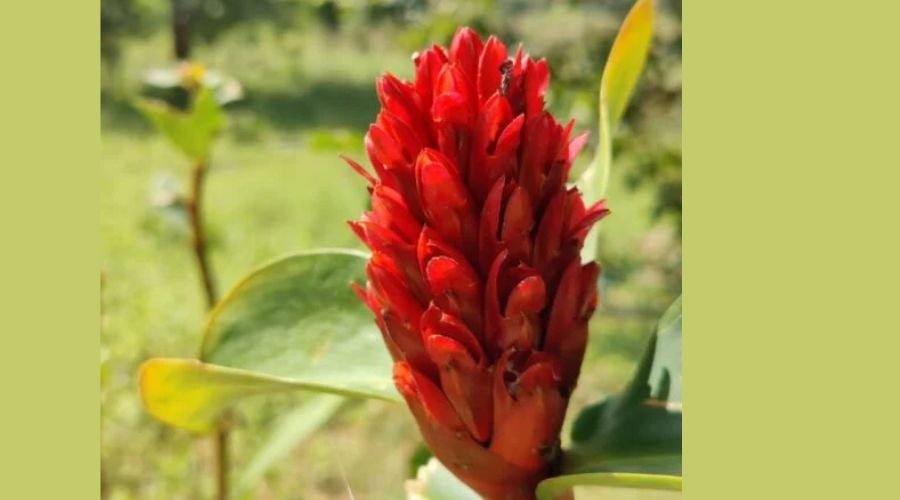
- Common Name: Spiral Ginger
- Family: Costaceae
- Botanical Name: Costus Speciousus
- Local Name: Keokand
As monsoon starts the tribes use the young leaves of this plant, to make edible snacks for themselves. These snacks provide internal body heat when consumed.
These plants are found around dense and hilly forest areas.
[Photo credit: Ratik]
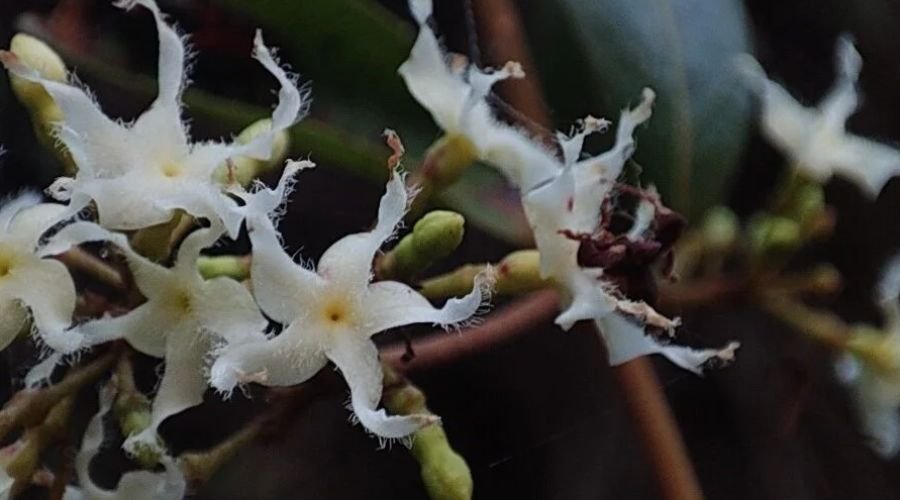
- Common Name: Black Creeper
- Family: Apocynaceae
- Botanical Name: Ichnocarpus Frutescens
- Local Name: Dudhiya Bel | Sariva
These plants are used to make ropes and are also used for fencing their boundaries.
[Photo credit:Rakesh Solanki]
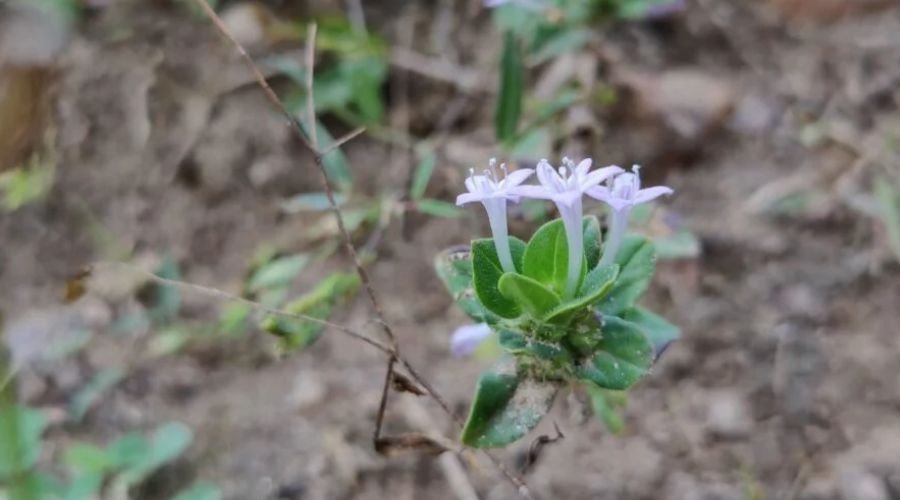
- Common Name: Bristly Buttonweed
- Family: Rubiaceae
- Botanical Name: Spermaccoce Articularis
- Local Name: Unknown
The juice from the leaf is extracted to make a medicinal drop for ear pain.
[Photo credit: Ratik]
[Photo credit: Ratik]
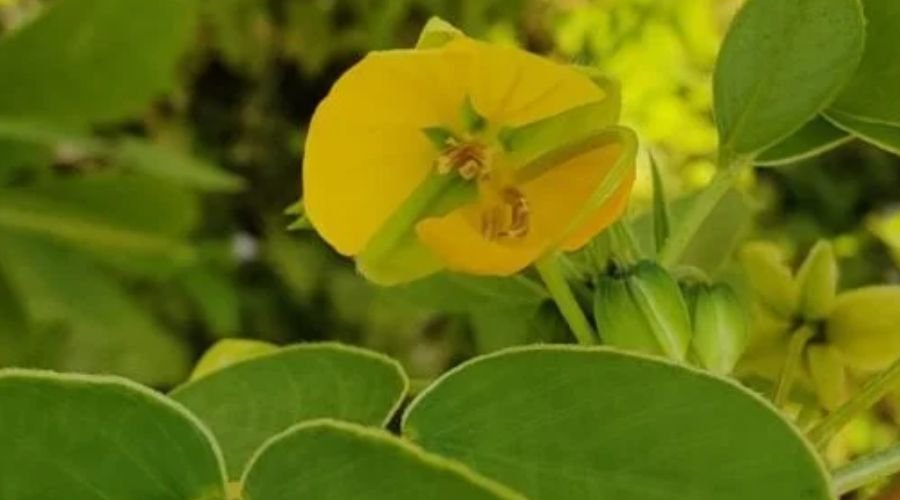
- Common Name: Pot Cassia
- Family: Fabaceae
- Botanical Name: Cassia tora
- Local Name: Charota
Tribes would collect the leaves to make a dish locally called “bhaji.” In earlier times when the tribes didn’t have crops to grow, they had survived for many months just feeding on these leaves with no spices only some salt.
[Photo credit: Ratik]